
Curaçao Casino Licence in the UK: What It Means
 Available in GB
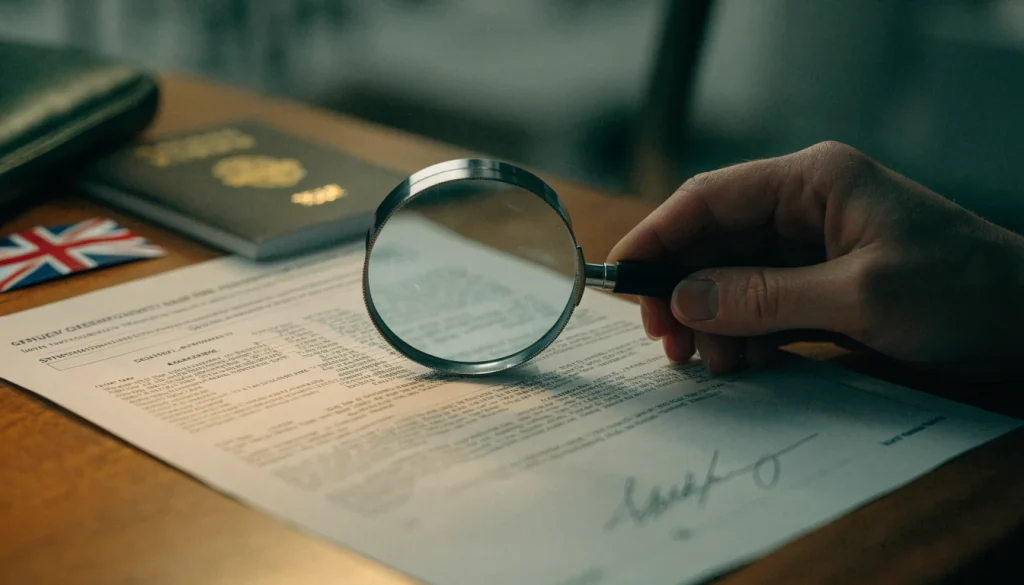
A Curaçao-linked licence does not make an operator UK-regulated or provide the same oversight and protections.
What “Curaçao casino” tells you—and what it doesn’t
“Curaçao casino” sounds more precise than it really is. I used to read the label as a quick safety signal: a place had a licence, so surely someone was keeping an eye on it. That shortcut is too crude.
In the UK market, the useful starting point is different. A non-UK-regulated casino is an online gambling site operating without oversight from the UK Gambling Commission. The reference to Curaçao describes the jurisdiction connected with the casino’s claimed licensing arrangement; it does not turn the site into a UK-regulated operator.
That distinction matters because the words can look reassuring while leaving several important details unanswered. A site may describe itself as a Curaçao casino, a Curaçao-licensed casino, or a casino based in Curaçao. Those phrases are not interchangeable proof that every part of the business has the same regulatory position, operating standards, or player protections.
Curaçao is one licensing jurisdiction among several
Curaçao is often associated with online gambling because some non-UK-regulated casinos operate under a licence connected with the island. It is not the only jurisdiction used for this purpose. Malta, Gibraltar and Anjouan are also among the jurisdictions that may license online gambling operators outside the UK Gambling Commission system.
Online Casino Malta MGA Licence and UK Rules
So when someone searches for Curaçao online casinos, they are generally looking for a particular category of non-UK-regulated casino sites rather than a single, uniform product. Two sites can use similar wording and still be separate businesses, with different ownership, terms, payment arrangements and licensing claims.
That is why I would not treat “Curaçao” as a brand name or a quality mark. It tells you where the claimed licensing connection may sit. It does not, by itself, tell you how the individual casino operates.
A small wording difference can also hide a big difference in meaning. “Licensed in Curaçao” is a statement about a regulatory jurisdiction. “Available in Curaçao” could simply describe a location or market reference. “Powered by” may refer to software or a service provider rather than the company accepting your account. Reading the footer alone is not enough to understand who is actually running the gambling service.
What the label does tell you
The label usually signals that you are looking at a casino outside the UK Gambling Commission’s regulatory system. That is the central point, and it is more useful than the promotional language around it.
A non-UK-regulated casino is not supervised by the UK Gambling Commission simply because it mentions Curaçao, Malta, Gibraltar or Anjouan. The jurisdiction named on the site is separate from UK oversight. Calling a site a Curaçao casino therefore does not mean that it carries a UK Gambling Commission licence.
Casinos Without a UK Licence: What It Means
I keep that distinction in mind when I see phrases such as “trusted”, “secure” or “international”. Those are advertising words until the underlying operator and licensing position are clear. “International” tells you almost nothing. “Licensed” tells you only that the operator is making a licensing claim; it does not explain the full relationship between the licence, the company and the service you would use.
The same applies to lists described as the “best” or “top” Curaçao casinos. A ranking label is an opinion or marketing device, not a regulatory category. “New” is no better as a safety signal. A new Curaçao casino may simply have less operating history for a player to assess.
Why one label cannot describe every site
It is tempting to group all Curaçao casino sites together, especially when several use the same visual style, payment logos or welcome language. But the label does not establish that they share one company, one set of policies or one level of accountability.
Even where two casinos refer to the same licensing jurisdiction, their customer terms can differ. Their withdrawal rules, account checks, bonus conditions and handling of disputes may not be identical. Those are operator-level matters, not conclusions that can safely be drawn from the word “Curaçao”.
Two sites can use similar wording and still be separate businesses, with different ownership, terms, payment arrangements and licensing claims.
The reverse is also true. A casino without a Curaçao reference is not automatically a UK-regulated casino. Non-UK-regulated casinos may be connected with other jurisdictions, including Malta, Gibraltar or Anjouan. Looking only for one familiar name can give you a false sense that you have checked the whole market.
I made that mistake by treating the jurisdiction as the product. It is not. The casino is the operator and service in front of you; Curaçao is a regulatory reference attached to the claim being made about that operation.
The practical reading of “Curaçao casino”
When you see the term, read it as a signpost rather than a guarantee:
- the site may be operating as a non-UK-regulated casino;
- Curaçao is one possible licensing jurisdiction, alongside others such as Malta, Gibraltar and Anjouan;
- the UK Gambling Commission is not overseeing the site merely because the site uses the Curaçao name;
- the label does not show that every casino using it offers the same protections or follows identical policies.
That is enough to set the terminology correctly. A Curaçao casino is not a special form of UK casino, and “Curaçao” should not be used as shorthand for trustworthy, unsafe, legal, or illegal. It identifies a claimed offshore licensing connection. The rest has to be understood from the particular operator and its stated terms.
Start there. Not with the badge.
Top online casinos in the UK
- NightWinBonus: £900 + 400 free spins · Payout speed: 1-3 business days
- JetsetspinsBonus: 200% Bonus + 100 Free Spins + Free Royal Wheel · Payout speed: 1-3 business days
- NightLuckBonus: Welcome Pack + 805% Up To 6400€ + 280 FS · Payout speed: 1-3 business days
- DieselwinBonus: Welcome Pack 250% up to £4000 + 200 FS · Payout speed: 1-3 business days
- ZombillionBonus: Welcome Pack 250% up to £4000 + 200 FS · Payout speed: 1-3 business days
- BeOnBetBonus: 100% up to €500 + 100 FS · Payout speed: 1-3 business days
- SlotoSportBonus: 500% up to £ 10 200+ 777 FS · Payout speed: 1-3 business days
Online access is not the same as UK authorisation
A website loading in Britain can create a very convincing impression: the homepage opens, the games are visible, the registration form accepts a British address, and the cashier shows familiar payment options. It is easy to look at that and think, “This casino serves the UK.”
I made that mistake myself. I treated access as evidence of approval. It is not.
A Curacao online casino, or any other non UK regulated casino, may be visible from a British internet connection without being authorised to serve customers in Great Britain. Those are two separate questions:
- Can the website be reached?
- Does the operator hold the licence required to serve the Great Britain market?
Only the second question answers whether the operator is authorised here.
A working website proves very little
The internet does not place a UK Gambling Commission seal of approval on every page that opens in a UK browser. A casino online Curacao site can display its games, explain its bonus, and allow an account to be created. None of those features changes the operator’s regulatory position.
The same applies to wording such as “welcomes UK players” or “available in Britain”. That is a commercial statement made by the website. It is not the same as evidence that the operator has permission to provide gambling services in Great Britain.
Even a polished site can blur the distinction. It might use pounds on the cashier, show British spelling, or mention support for UK customers. Those details describe how the site presents itself. They do not establish that it has the necessary UK authorisation.
That was the useful correction for me: accessibility is about the technical front door; authorisation is about the operator’s legal standing. A front door is not a licence.
Where the operator is based is not the test
People often focus on the jurisdiction named in the footer. With a Curacao casino online, attention naturally goes to the Curaçao wording and the claimed Curaçao licence. But the operator’s home base does not decide whether it may serve Great Britain.
An operator based abroad still needs the relevant UK Gambling Commission licence when it serves customers in Great Britain. The rule is tied to the market being supplied, not simply to the country where the company, server, owners, or licence are located.
So an online casino licence Curacao and a UK Gambling Commission licence are not interchangeable labels. They relate to different regulatory systems. A business cannot treat its overseas status as a substitute for the authorisation required for the British market.
USA Casinos for UK Players: Licensing and Risks
This is why “international” can be a slippery word in casino advertising. It may describe where the company operates from, where its licence was issued, or which customers it claims to accept. It does not, by itself, answer whether the operator is authorised in Great Britain.
Look past the access test
When I check a casino now, I separate the experience of entering the site from the question of who is legally operating it. The registration page is not the right place to stop. Neither is a licence badge copied into the footer.
A Curacao online casino list may be useful for understanding which sites present themselves as Curaçao-licensed, but appearing on a list does not turn an operator into a UK-authorised casino. The phrase “best Curacao online casino” is even less helpful as a regulatory description: “best” is a judgement about features or advertising, not proof of permission to serve Great Britain.
The practical point is simple. A site may be online, responsive, and apparently prepared for British visitors while still sitting outside the UK Gambling Commission’s licensing system. Its availability tells you that the site can be reached. It does not tell you that the operator has met the authorisation requirement for Great Britain.
Why the distinction matters
This is not just a technical argument about wording. Regulatory status belongs to the operator, and it determines which framework the operator is expected to work under when supplying gambling services to the British market.
A company cannot avoid the requirement merely by placing its office in Curaçao, Malta, Gibraltar, Anjouan, or another jurisdiction. The location may explain the foreign licence claim, but it does not remove the need for a UK Gambling Commission licence when the operator serves Great Britain.
That leaves two descriptions which should not be mixed:
- Accessible online in Britain: the website can be reached and may present a registration route.
- Authorised to serve Great Britain: the operator holds the required UK Gambling Commission licence.
The first can appear on the screen within seconds. The second is a matter of the operator’s regulatory status. They are not two ways of saying the same thing.
If a casino presents itself as a Curacao casino online, read that as a description of its claimed overseas position, not as a shortcut for British authorisation. “Available” is not “approved”. That distinction is the part worth remembering.
A licence abroad does not make a casino UK-regulated
When a site says it holds a Curaçao licence, the statement has a fairly specific meaning: an authority outside the United Kingdom has authorised some part of its gambling operation. It does not mean the UK Gambling Commission has assessed or supervised that casino.
That distinction is easy to miss because the word “licensed” sounds like a broad quality mark. I made that mistake myself. I saw the badge, assumed someone serious had checked the whole business, and only later realised that the badge answered a narrower question: which overseas jurisdiction, if any, is responsible for the operator?
Understanding the Licence
An authority outside the United Kingdom has authorised some part of its gambling operation. It does not mean the UK Gambling Commission has assessed or supervised that casino.
A non-UK-regulated casino operates outside the UK Gambling Commission’s oversight. Its licence may come from Curaçao, but it could also come from Malta, Gibraltar or Anjouan. Those jurisdictions are not one interchangeable regulatory system. Each has its own authority, licensing framework and expectations for the businesses it covers.
What the foreign licence actually tells you
A foreign licence can indicate that the operator has a relationship with a named overseas regulator. It may identify the legal entity behind the site, the type of gambling activity covered, and the jurisdiction whose rules apply to that licence.
That is useful context, but it is not a substitute for UK regulation. The licence does not turn a non-UK-regulated casino into a UK-regulated one, and it does not place the operator under the UK Gambling Commission’s supervision. The location of the licence matters just as much as the word itself.
The same applies when the site advertises Curaçao online casinos accepting UK players or promotes a Curaçao-licensed crypto casino. The payment method does not change the regulator, and the presence of a UK-facing website does not change the licence’s jurisdiction. “Crypto” describes how money may move; it says nothing by itself about UK oversight.
Why the label can mislead
Terms such as “Curaçao casino”, “Curaçao eGaming licence” and “casino not on GamStop” are often placed close together on casino pages. Read as a single promise, they can suggest a level of protection that the licence does not provide. In reality, they describe different things:
- Curaçao points to the claimed overseas licensing jurisdiction.
- A non-UK-regulated casino sits outside UK Gambling Commission oversight.
- Not being on GamStop describes the operator’s position outside that UK self-exclusion scheme.
One label cannot be used as proof of the others. A casino may describe itself as Curaçao-licensed, but that does not establish UK authorisation. Equally, a list of Curaçao-licensed online casinos would be a list of sites connected with that overseas jurisdiction, not a list of UK-regulated operators.
This is also why I would not treat every site carrying the same Curaçao wording as offering identical protection. The jurisdiction named on the page is only part of the picture; the individual operator, its terms and the scope of the claimed authorisation still matter. A foreign licence is a regulatory signpost, not a passport into the UK system.
The short version is uncomfortable but clear: licensed abroad means licensed abroad. That is all you should assume until the operator’s UK regulatory status is established separately. Different badge. Different rulebook.
The UK legal position: the operator and the player
The important legal distinction is between the business supplying the gambling service and the person using it. I had to separate those two questions before the position became clear. A Curaçao casino licence, or any other licence issued outside the UK, may describe the operator’s status in another jurisdiction. It does not change who UK gambling law is aimed at.
The Gambling Act 2005 targets operators that provide gambling services into the UK market. In practical terms, the legal duty falls on the company offering the games, taking deposits and accepting customers, rather than on an individual player who visits the site. The operator’s location does not remove that responsibility. A business based outside Britain can still be supplying gambling services into the British market.
Merkur Casino Online UK: Games, Terms and Checks
That is why the question “are Curaçao casinos licensed?” needs careful wording. A particular operator may hold a Curaçao casino licence, but that is not the same as holding permission under the UK system. The foreign licence concerns the jurisdiction that issued it. The UK position concerns whether the operator is authorised to provide gambling services to customers here. Those are separate legal matters.
The player’s position is different. UK law does not expressly prohibit British citizens from using gambling services licensed in another country. It also does not make it a criminal offence for a player to gamble on a site that is not licensed in the UK. That answers the narrow question of personal criminal liability: using an unlicensed site does not, by itself, turn the player into a criminal under UK law.
That should not be stretched into a statement that every form of online gambling is lawful in the UK. The UK’s regulated online gambling market is based on operators holding the required local authorisation. The absence of a criminal offence for the player does not give a non-UK regulated casino UK authorisation, nor does it place the operator inside the UK licensing system.
I think of it as two lines running alongside each other:
- Operator: a business supplying gambling services into the British market is the party UK gambling law addresses.
- Player: a British citizen does not commit a criminal offence merely by using an unlicensed gambling site.
The same distinction applies whether the site takes ordinary payments, offers crypto games or describes itself as a Bitcoin casino licensed in Curaçao. The payment method and the wording on the site do not transfer the operator’s regulatory obligations to the customer.
There is also a difference between saying that UK law does not expressly criminalise the player’s conduct and saying that the player has a positive legal entitlement to use any overseas site. I would not read the first statement as the second. It is a description of where liability is directed: towards operators supplying gambling services into the UK, not towards individual players for simply placing bets on an unlicensed site.
That is the legal starting point. Nothing more.
If you’re in the UK, check whether the site is meant to serve you
A registration page can give you the wrong impression. You enter a UK address, select pounds as your currency, and the account opens without an obvious obstacle. It is tempting to read that as permission: this must be a Curaçao casino for UK players. It is not.
There are two separate questions:
- Can the website technically accept your registration?
- Is the operator authorised to provide gambling services to customers in Great Britain?
The first is a website setting. The second is a regulatory status.
I have made the mistake of treating a successful sign-up as proof that a site was intended for me. It only proved that the registration form did not reject my details. A site may accept a UK address because its software allows it, because its location controls are incomplete, or because its terms deal with eligibility later in the process. None of those possibilities turns the operator into a UK-regulated casino.
What “accepting UK players” should mean
For an operator to serve customers in Great Britain, it must hold a licence from the UK Gambling Commission. That requirement applies whether the business is based in Britain or elsewhere. A Curaçao licence, where an operator has one, does not replace the UK Gambling Commission licence for this purpose.
That is the practical test behind phrases such as “Curaçao casinos accepting UK players” or “Curaçao casinos that accept UK players”. A registration route may show that the site is technically open to someone in the UK. It does not establish that the operator is authorised to serve that market.
DO
- Check if the operator holds a UK Gambling Commission licence
- Verify the operator’s legal standing and authorisation
DON’T
- Assume technical accessibility equals legal authorisation
- Trust a registration form as proof of UK regulation
The wording on the homepage can be slippery. “UK-friendly”, sterling deposits, British spelling, or a list of United Kingdom payment options are not proof of British authorisation. Nor is the absence of a blocking message. The relevant question is whether the operator has the required UK Gambling Commission licence, not whether the site appears comfortable with your location.
Check the service, not just the sign-up form
Before creating an account, read the operator’s terms for its definition of restricted countries and how it describes customers in England, Scotland and Wales. A site can mention the UK in a promotional page while its account terms take a different position. If the wording is unclear, treat the uncertainty as a warning rather than filling in the gap yourself.
You should also distinguish Great Britain from the wider label “UK”. Gambling regulation is not a single internet switch covering every part of the country. The relevant British market is England, Scotland and Wales, and operators serving customers there need the UK Gambling Commission licence.
This still does not tell you that every Curaçao casino claiming to accept UK registrations is safe or suitable. It answers the narrower access question: a form that lets you join is not the same thing as authorisation to serve you.
That distinction matters before money enters the account. A tick box is not a licence.
Outside GamStop means outside its safety net
GamStop is the UK Gambling Commission’s self-exclusion scheme. A casino not signed up to GamStop sits outside that system, regardless of the wording on its website or the jurisdiction named in its licence. That includes Curaçao casinos not covered by GamStop: the Curaçao label does not bring the operator into the UK scheme.
Safe Online Casinos in the UK: Licence Checks
I learned the awkward part of this distinction after treating self-exclusion as if it followed me everywhere. It does not. Registering with GamStop restricts access to participating UK gambling operators. It does not create a universal block across every non UK regulated casino. If a site operates outside the scheme, its account-opening and gambling controls are not supplied through GamStop.
That makes the phrase “not on GamStop” sound more reassuring than it is. It can be presented as a route around a restriction, but the practical meaning is that the restriction may no longer do its job at that site. The casino is not part of the UKGC self-exclusion network, so you should not assume that your existing exclusion will be recognised there.
Fewer mandatory safeguards
UK-regulated gambling comes with responsible-gambling requirements that form part of the operator’s obligations. A non UK regulated casino does not provide the same set of mandatory responsible-gambling tools. In particular, you should not assume that it offers the UK-style self-exclusion protection or deposit-limit safeguards that you might expect from a licensed UK operator.
That is not a small technical difference. A self-exclusion decision is often made at the point when relying on willpower has already failed. If another account remains available, the barrier becomes easier to step around. I have made the mistake of thinking that an account being closed somewhere meant the problem was dealt with everywhere. It wasn’t.
The same caution applies to new Curaçao casinos not on GamStop. “New” says nothing about whether the site participates in a UK self-exclusion system. A fresh brand, a familiar game provider, or a prominent licence badge does not change that basic position. The question is whether the operator is part of GamStop, not whether the casino looks polished.
What you give up
Playing at an offshore casino also means giving up access to the UK’s Financial Ombudsman Service and the mandatory responsible-gambling tools attached to the UK system. That leaves you with fewer built-in protections if your gambling starts to run beyond the limits you intended.
This is why I would treat “outside GamStop” as a warning about safeguards, not as a feature. If you have chosen self-exclusion, using a casino outside that scheme works against the purpose of the exclusion. No clever wording fixes that. The barrier is gone.
What can go wrong after you win
Winning is the easy part. Getting the money out is where I learned to stop treating the balance on the screen as cash in my bank account.
Withdrawal times at non-UK-regulated casinos are not consistent. Both descriptions matter because there is no UK regulatory clock that can be used to enforce a payment deadline against the operator. A casino can quote its own processing time, but that is not the same as having a UK Gambling Commission-backed timetable.
The payment method can also affect the route your money takes, although a fast advertised option is not a promise that every withdrawal will be fast. I would check the withdrawal terms before depositing, not after a win. That is when the wording suddenly becomes much more interesting.
When a large win is paid in pieces
Some non-UK-regulated casinos set daily, weekly or monthly withdrawal limits. This means a large balance may have to leave in instalments rather than in one payment. The point is not that every casino applies these limits. An affiliate review reported this type of restriction, but terms can change and the claim should be checked against the operator’s current withdrawal rules.
Attention A large balance may have to leave in instalments rather than in one payment due to withdrawal limits.
That distinction matters. A casino may allow you to place a sizeable deposit, accept a winning bet and then limit how quickly the balance can be withdrawn. If the limit is buried in the terms, the practical value of the win is different from the number shown in your account.
I have also seen verification described as a routine identity check, when the real process can be much heavier. One affiliate review reported that some offshore operators may ask for notarised documents or a video call before releasing a withdrawal. Those are not small requests: they can mean arranging formal certification, finding suitable documents and making time for an interview.
A request for verification is not automatically proof that the casino is refusing to pay. Operators may ask for identity or payment checks. The risk is the extra friction, especially when the requirements appear only after a successful withdrawal request or keep expanding during the process. At a non-UK-regulated casino, that practical dispute is not backed by the same UK enforcement framework as a withdrawal from a UKGC-licensed operator.
So before treating a balance as spendable money, read the withdrawal cap, processing wording and verification conditions. The headline win is only one part of the transaction. The exit matters too.
How to check a licence claim without guessing
A licence badge is not proof by itself. I have seen “licensed” placed beside a logo with no clear company name, licence number, issuing authority or link to a record. That wording may look official while leaving you unable to establish who is actually responsible.
For a Curaçao casino licence check, start with the operator’s legal identity, not the badge. The casino should make it possible to identify the company behind the website and the authority it says issued the licence. Compare those details with the licensing authority’s own information. The company name should match, and the claim should relate to the actual gambling operation rather than a software provider, payment company or group brand.
Do not quietly treat every foreign licence as if it followed the same rules. Curaçao licensing claims and Anjouan casino licence claims are separate matters, with different frameworks and authorities. A statement about one cannot be used as evidence about the other.
The Anjouan position illustrates why the wording matters. An Anjouan licence does not authorise an operator to work in the United Kingdom or in other restricted markets. Its framework also does not require casinos to use GAMSTOP or to provide an independent dispute-resolution process comparable with services approved by the UK Gambling Commission. Those are characteristics of the Anjouan framework, not rules to attach to a Curaçao casino simply because both licences are issued outside the UK.
There are further limits. Anjouan’s framework does not make operators provide RNG testing, audits or segregated player funds as mandatory requirements. So a badge cannot safely be translated into “the games have been independently tested” or “your balance is protected”. Those claims need their own evidence.
I would save the licence details before depositing: the stated authority, legal operator name and any reference shown on the site. If the wording is vague, the company name changes between pages, or the badge leads nowhere useful, treat the claim as unverified. A polished footer is still just a footer.
The bottom line
A foreign licence is a regulatory signpost, not a passport into the UK system.
Bonuses and deposits: read the maths before you click
A “welcome bonus” can look generous until you work out what has to be wagered before any withdrawal is allowed. I have made the mistake of treating the headline figure as money I could simply play with. It was not. It was promotional balance, tied to conditions.
A specialist review reports that bonuses at non UK regulated casinos can carry wagering requirements of 35x or more. That multiplier may apply to the bonus, the deposit, or both together. So when an offer says 40x, do not assume you already know the calculation. The terms might require 40 times the bonus and deposit combined; another offer might apply 40x to the bonus alone. Free spins can be included in a separate calculation, or the bonus and free-spin winnings can be grouped together.
That distinction changes the apparent value considerably. A deposit-plus-bonus calculation creates a larger wagering base than a bonus-only calculation. The advert may look identical at first glance. The small print is doing the real work.
No-deposit and free-spin offers
“Free” is another advertising word I now read with suspicion. A no-deposit or free-spin promotion may still attach conditions to the winnings rather than handing over withdrawable cash. A specialist review states that free-spin winnings can carry wagering requirements of 30–50 times the winnings, together with withdrawal caps of £5–£50. Those are reported terms, not a universal rule, so the individual offer matters.
For instance, winning more than the stated cap does not necessarily mean the full balance can be withdrawn. The cap may limit what can leave the account even after the wagering condition has been met. A specialist review also reports that free-spin packages can expire within 24–72 hours. Miss that window and the promotion may disappear before you have completed its conditions.
Before depositing, I would check four points: what balance the multiplier applies to, whether free spins have separate rules, the maximum amount that can be withdrawn from promotional winnings, and when the offer expires. I would also check whether the casino can change the terms. The bright banner is the easy part. The maths is the offer.
A foreign gaming licence is not a UK complaints route
A foreign gaming licence can tell you which authority sits above the operator. It does not give you a route into the UK Gambling Commission’s complaints process. That distinction matters most when the casino changes its terms, delays a decision, or rejects a complaint about your account.
I have made the mistake of treating a regulator’s logo as if it were a customer-service promise. It is not. A Curaçao gaming licence, for instance, does not make the casino a UK-regulated operator, and it does not place a dispute inside the UK system. You cannot assume that the UK Gambling Commission will investigate the individual case or require the site to pay you.
The alternative route depends on the licence actually named by the operator, not on the word “licensed” appearing in the footer. Those arrangements are not interchangeable. An Anjouan casino licence illustrates the limit clearly: the Anjouan authority does not handle, mediate or adjudicate player complaints. Anjouan-licensed casinos also do not provide an independent dispute-resolution route comparable to the ADR services approved for UKGC-regulated operators.
That leaves a practical gap. You may be able to raise the issue with the casino, but escalation is not the same as having an independent UK complaints body assess it. You also lose access to the UK protections attached to the local regulatory system, including the Financial Ombudsman Service.
So before depositing, I would treat the licence as information about the operator’s claimed oversight—not as insurance for a bad outcome. Save the terms, payment records and messages if you proceed, and check exactly which authority is named. A badge can look official while offering little help when the disagreement becomes real.
That is the uncomfortable part.
Are sites that are not on GamStop legal for players in the UK to access?
Yes, UK law does not make it a criminal offence for you to gamble on an unlicensed site. However, an operator serving customers in Great Britain needs a UK Gambling Commission licence, and a site outside GamStop is not part of the UK self-exclusion scheme.
Are non-UK-regulated casinos legal for UK players to use?
UK law does not explicitly prohibit you from using gambling services licensed in another country, and players do not commit a criminal offence by gambling on an unlicensed site. Operators serving customers in Great Britain still require a UK Gambling Commission licence.
Are gaming sites not on GamStop permitted for UK players?
UK law does not make it a criminal offence for you to gamble on a site that is not on GamStop. But operators serving customers in Great Britain need a UK Gambling Commission licence, and sites outside GamStop do not offer that scheme’s self-exclusion.
Is it legal for a UK player to gamble at an Anjouan-licensed casino?
UK law does not make it a criminal offence for you to gamble on an unlicensed site. An Anjouan licence does not authorise the casino to operate in the UK, and Anjouan-licensed casinos do not provide the same independent dispute resolution route as UKGC-approved services.
What payment methods work best at non-UK-regulated casino sites?
You may find credit cards, e-wallets, bank transfers and cryptocurrencies, often handled through alternative processors. Some sites also allow deposits charged to a mobile phone bill or taken from a prepaid balance; availability depends on the casino and payment method.
What are non-UK-regulated casinos?
They are online gambling sites operating without oversight from the UK Gambling Commission, typically under a licence connected with a jurisdiction such as Malta, Curaçao, Gibraltar or Anjouan. A foreign licence does not authorise an operator to serve customers in Great Britain.
How do casinos outside GamStop operate?
They operate outside the UK Gambling Commission’s regulatory system and are not part of its GamStop self-exclusion scheme. They may be licensed in another jurisdiction, but that licence does not provide UK oversight.